The story of Kinyose Farm
A family farm built on hard work, good land and care for every animal and every acre.
How it all began
Kinyose (n.) "to find by surprise" The name of the area where our grandfather's ancestral land lies.
Looking back, the name fits. Every milestone on this farm has been hard-won, and every one has still felt like a wonderful surprise.
Farming runs in the Chumo family, and its success grew from one thing above all: the unity of Mr and Mrs Chumo. The original land in Kwenik-ab-ilet, Bomet, belonged to Mr Chumo, an enterprising tea and cattle farmer, but it was the two of them, working side by side and sharing every decision, every hardship and every harvest, who made it prosper. Together they passed their knowledge of the soil, the tea bush and the herd down to their children.
Kinyose Farm Limited had been registered years earlier but lay dormant until 2014, when Wesley Cheruiyot, the last-born son, revived it and set out to build on the foundation his parents had laid.
A hard beginning
The early years were anything but easy. Tea seedlings were raised by hand in the farm's own nursery, a slow and uncertain process. When the first seedlings went into the field the rains came late, and despite watering the young plants by hand, many dried up and the field had to be replanted.
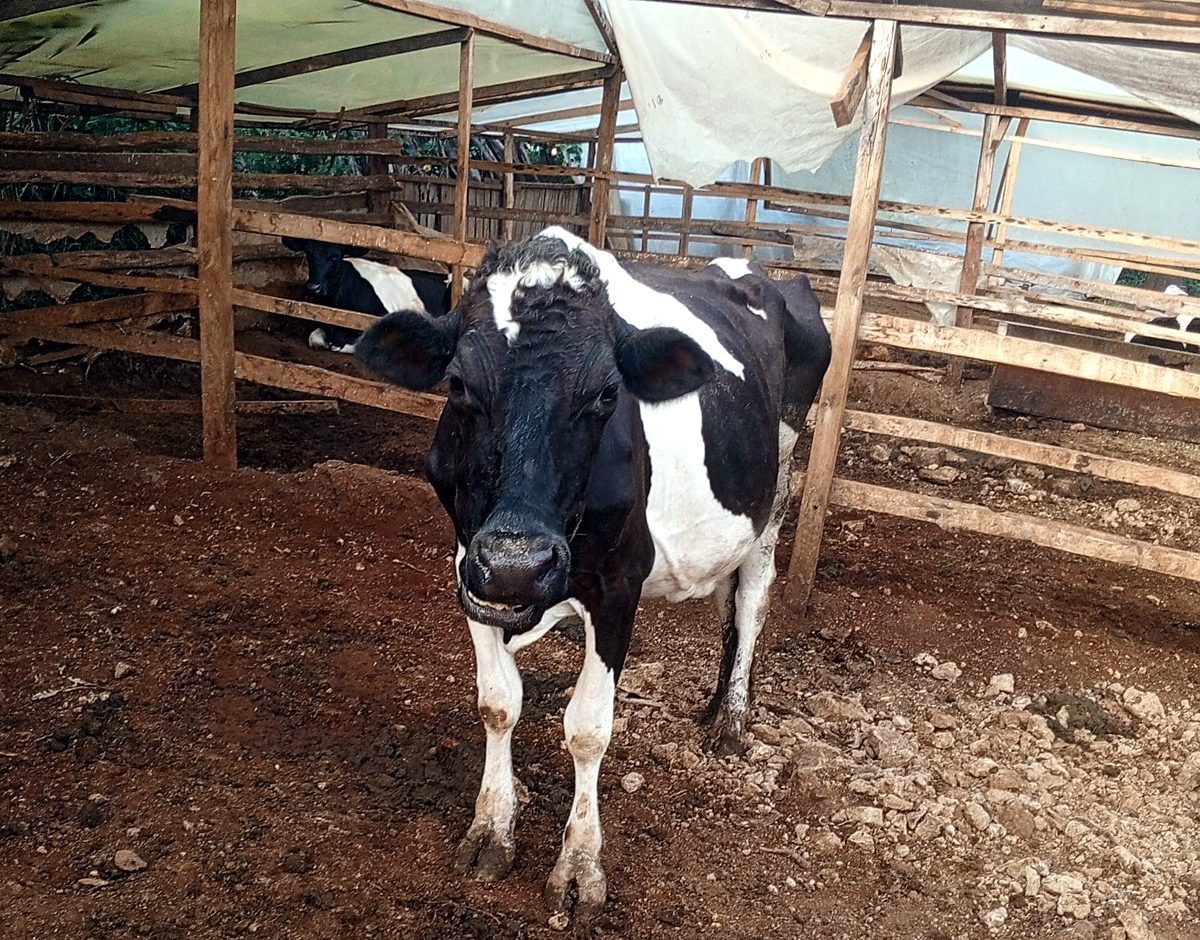
The dairy began with a single cow, Chepsir, named after the place she was bought. With no shed, she roamed the fields looking for shelter whenever it rained, and several calves were lost to the harsh conditions in those first years.
Growing stronger
Those lessons shaped everything that followed. The land is the same size it has always been, but the area under tea has grown to five acres and the herd has grown with it. Our greatest milestone was building the farm's water reservoir, which now supplies all the water we use, all year round. A new 6,000 sq ft cow shed followed, giving our animals the shelter from the weather that Chepsir never had.
We build simply, on purpose. Our structures use a low-cost model of timber posts and polythene sheeting rather than brick, mortar and iron. This keeps our capital costs low and our money working in the farm itself. Heavy investment in permanent buildings has left many farmers struggling to recover what they spent, and we chose not to follow that path.
Kinyose today
Today Kinyose Farm blends the wisdom handed down from our parents with modern agricultural science, living out our motto, "Sowing science, reaping quality." Alongside tea and dairy we grow beans, peas, potatoes and green maize, keep sheep and chickens, and are piloting fruit trees such as oranges and pomegranates.
The whole farm is run on our own Farm ERP, a digital farm management system. Every litre of milk is recorded against the cow that gave it. Every kilo of tea is recorded against its plucker and factory. Breeding, family lines, workers' pay and every expense are tracked in one place, so our decisions are based on real numbers rather than guesswork.
Visitors are welcome to enjoy the tranquillity of our tea fields and to walk through the indigenous forest around our water catchment, where our beehives give honey harvested every quarter. Farm visits must be arranged in advance, and we offer rates for both individuals and groups. Get in touch to book a date.
Plan a visit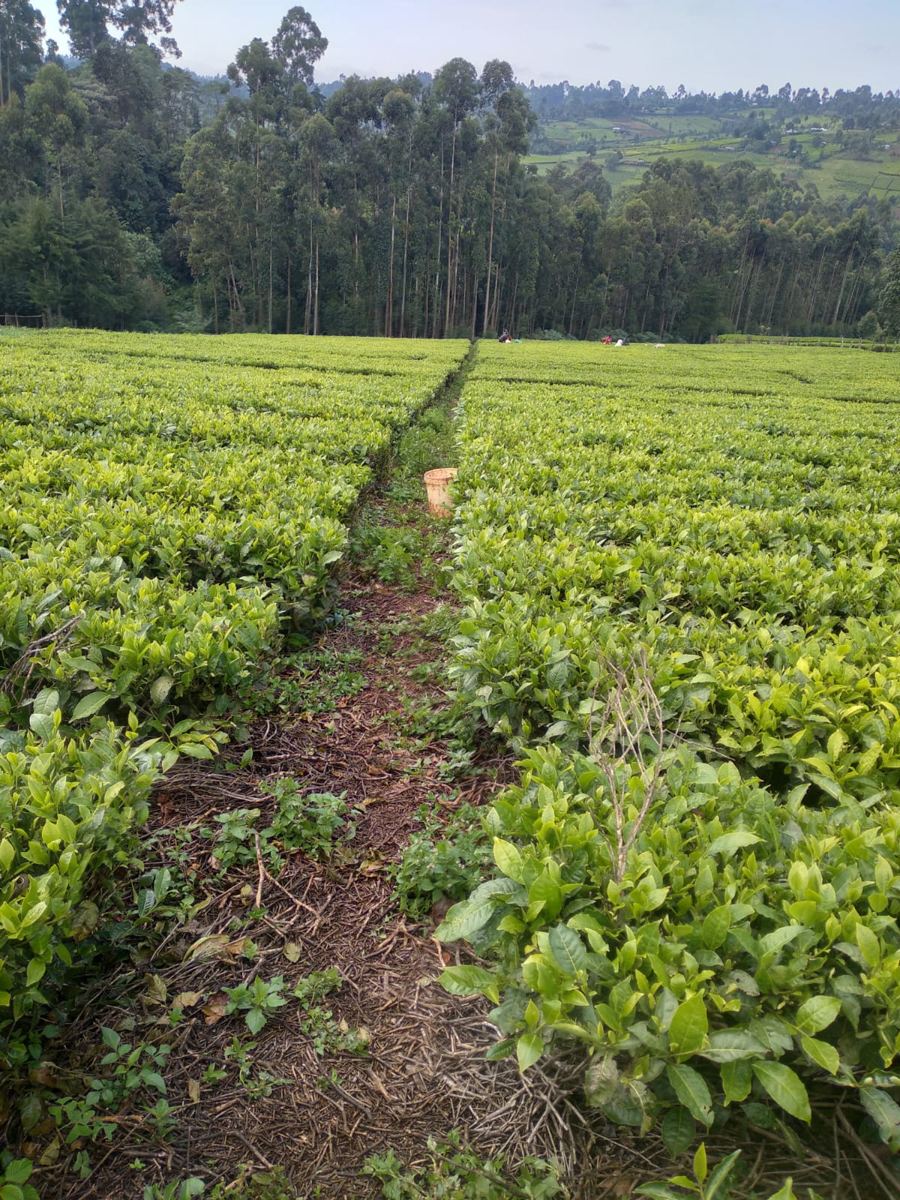
Mission, vision and values
🎯 Mission
We steward our land responsibly to grow sustainable crops and raise healthy livestock while preserving farmland for future generations.
🌱 Vision
To be a trusted catalyst connecting modern agricultural science with practical, profitable farm-level solutions.
🤝 Values
Honesty, hard work, animal welfare, care for the environment and respect for our workers and partners.
Meet the team
The people who keep the farm running every day.

Wesley Cheruiyot
Director

Amos Mutai
Dairy Manager

Amos Kimutai
Assistant Dairy Manager

Evans Milgo
Tea Field Manager
Farming responsibly
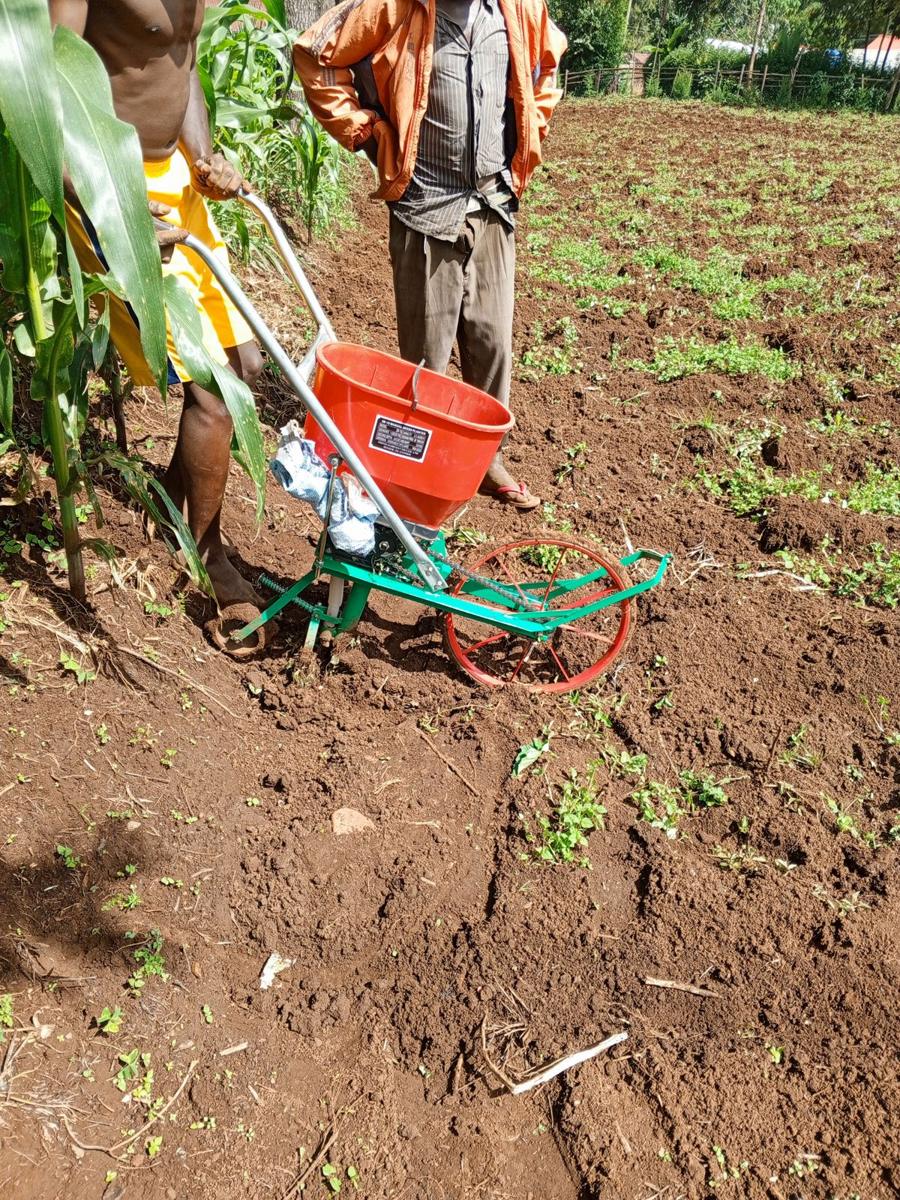
- Employing and empowering workers and tea pluckers from the local community, with fair work and new skills
- Using animal manure from our cows, sheep and chickens to feed our soils and crops
- Rotating crops to keep our soil healthy and productive
- Keeping indigenous trees and green cover on the farm
- Carefully spaced border trees act as natural windbreaks and wildlife corridors. In line with Kenya's environmental standards, we keep water-hungry species away from waterways and neighbouring farms to protect local water tables
- Improving our herd through planned artificial insemination
- Taking regular soil tests to guide our fertiliser use
- Training our workers in modern dairy and tea husbandry
- Serving as an open learning hub, hosting practical workshops that help local smallholders master soil conservation, tree planting and climate-smart farming
Every tree we plant is an investment in cleaner water, richer soil and a greener future for our local community.